Gardening Services in Enfield

Gardening Services Enfield provides practical garden care in Enfield, focused on keeping outdoor spaces tidy, healthy and ready for everyday use. The work can cover regular maintenance and one-off help, with attention to the details that shape a garden’s appearance and condition. That might mean keeping growth under control, refining edges, clearing away debris or carrying out broader seasonal tasks so the space stays manageable and looks cared for.
Our service approach is built around clear, useful work rather than vague promises. We can help with routine upkeep, tidying that builds up over time, and more involved garden jobs that need a structured plan. For many customers, the main aim is simple: a garden that feels easier to use and better looked after. If you are comparing options, the services overview gives a straightforward starting point.
If you need a quotation, start by thinking about the size of the garden, the areas that need attention and the level of work involved. Photos, access notes and a brief description can make the first conversation more efficient, especially where there is heavier growth or mixed tasks. You can also look at pricing and quotes for a clearer sense of how enquiries are handled.
Garden maintenance for tidy, manageable outdoor spaces
Regular garden maintenance is often the difference between a space that feels controlled and one that becomes difficult to keep on top of. This service can include routine cutting back, trimming, clearing and general presentation work suited to the season. It is useful for front gardens, back gardens and shared outdoor areas where a consistent standard matters. By handling the recurring tasks properly, our work supports a healthier-looking garden without forcing you to tackle everything at once.
Maintenance jobs are usually best planned around the condition of the garden and the outcome you want. Some customers need a light tidy to restore order after a busy period, while others need more ongoing help to keep growth in check. We can discuss the scope sensibly and keep the focus on what will improve the garden most. For ongoing care, see garden maintenance, which covers the kind of regular work many gardens benefit from across the year.
Typical maintenance tasks can include:
- lawn cutting and edge definition
- trimming back overgrowth around paths and borders
- removing leaves, loose cuttings and general garden waste
- refreshing a garden’s overall appearance after a period of neglect
Lawns, hedges and the visible details that shape the garden

A well-kept lawn and neat hedge lines often set the tone for the whole outdoor space. Lawn work is rarely just about cutting grass; it is also about keeping edges tidy, maintaining an even finish and making the space feel deliberate rather than unfinished. Hedge trimming follows a similar principle, because the shape and balance of a hedge affect both appearance and light. These tasks are often small in isolation, but together they make a large difference to how the garden reads.
We can handle lawn mowing for gardens that need a clean, reliable cut, and hedge trimming where growth needs shaping or reduction. These jobs suit gardens that are visited regularly, rented properties that need to stay presentable, and homes where people want the outside space to feel orderly. Where hedges are dense or awkwardly placed, trimming also helps keep the garden safer to move through and easier to maintain later.
Good presentation starts with the details. That is why we pay attention to the edges, finish and clean-up as part of the work, rather than treating mowing or trimming as a single isolated task. When several parts of the garden need attention together, the result is usually more cohesive. If you want to combine different tasks in one visit, it is worth saying so early when you request a quotation.
Garden clearance when outdoor areas need a reset
Garden clearance is the right choice when a space has accumulated too much waste, cuttings, old planting material or general debris to be managed by routine maintenance alone. It can be useful after a long pause in care, before new planting, or when an outdoor area needs to be brought back to a usable condition. The aim is not only to remove unwanted material, but to leave the garden easier to assess and plan for the next stage of work.
For heavier or more involved clearances, we work methodically so the area can be dealt with in a sensible order. That might involve clearing one section at a time, separating different kinds of material and removing growth that blocks access or obscures borders. If you need this type of help, garden clearance explains the service in more detail. Where suitable, it can be combined with later maintenance or landscaping rather than treated as a one-off end point.
Useful things to mention in an enquiry include access, the main problem areas and whether the garden has items that need careful handling. It is usually better to describe the condition plainly than to try to judge the work yourself. That helps shape a quote around the actual task. For larger clearances, it can also help to state whether you want the garden made neat after removal or simply cleared back to a manageable base.
Landscape gardening for planned changes and improved structure
Landscape gardening is a broader service for gardens that need more than routine cutting and tidying. It can involve reshaping parts of the outdoor space, improving how the garden is laid out, and supporting changes that make the area more practical or more attractive. Unlike simple maintenance, this kind of work is about planning the space as a whole and improving how its parts relate to one another. The result can be a garden that feels better organised and easier to live with.
Where the brief calls for a more considered approach, landscape gardening can support changes to planting structure, hard and soft boundaries, or the way different areas are used. We also offer landscaping for jobs where the emphasis is on the physical shape and finish of the outdoor space. Each project can vary widely, so a useful quotation depends on what you want to change, what should stay in place, and how much preparation the site needs before the work begins.
Not every garden needs a full redesign. Sometimes the most effective improvement is a smaller but well-considered adjustment, such as opening up a boundary, improving access or making a tired area feel more coherent. We keep the discussion grounded in what is practical, so the plan matches the garden rather than forcing a generic formula onto it.
Tree work and larger garden features

Some gardens need work that goes beyond the usual lawn-and-hedge routine, especially where trees, larger shrubs or bulky outdoor structures affect the way the space is used. Tree work has to be approached carefully, because size, location and access can all change how the job should be handled. The same is true of features such as decking, which may need maintenance, adjustment or replacement depending on condition and use. These are the kinds of tasks where experience with the whole outdoor setting matters as much as the visible finish.
We provide tree lopping and removal for situations where branches need reduction or a tree needs to be taken out in a controlled way. Where timber features are part of the garden, decking services can help keep that area usable and aligned with the rest of the space. Because these jobs can affect access, light and the future layout of the garden, it is worth describing the site clearly before work is arranged.
The best outcome usually comes from matching the task to the real condition on site. A mature tree near a boundary may need a different approach from a smaller tree in an open lawn area, and decking work can range from basic attention to more involved structural work. If you are unsure which service fits, a short description of the issue is often enough to begin.
Planning a quotation that matches the work needed
Quotations are easier to prepare when the garden task is described in practical terms. Helpful details include the approximate size of the area, whether the work is routine or overgrown, and whether you want removal, tidying or a more complete finish. If there are several tasks, it is worth listing them in the order you care about most. That makes it easier to shape a quote around the work itself rather than around guesswork. A well-prepared enquiry can save time on both sides.
For some gardens, one visit can combine maintenance, clearance and shaping work. In others, it makes more sense to separate the project into stages so that the results are handled properly. contact us if you are ready to outline what needs doing, or use about us to learn more about the business background available on the site. The important thing is to keep the request clear enough for the scope to be understood.
When preparing a quotation request, it often helps to include:
- the main type of garden work you need
- any access issues, narrow paths or gated areas
- whether waste removal is part of the job
- any preferred timing or sequence for the tasks
About Enfield
Enfield is a large area in north London with a long history that stretches from an early market settlement into a substantial suburban borough. The River Lea forms part of its eastern side, while the New River, an important early 17th-century artificial waterway, runs through the district and remains one of the area’s notable historical traces. Enfield Town is often treated as the historic core, and it retains a recognisable centre with a mix of older streets, civic buildings and everyday shopping areas. The borough also includes substantial green corridors and open spaces, from the former royal hunting landscape of Enfield Chase to parks and waterways that give the area a varied character. Enfield’s built environment reflects layers of growth: older parish and market-town origins, later Victorian and interwar expansion, and post-war development that extended the urban footprint further north and west. Railway and road links helped shape that change, but the area still contains pockets of history, including conservation areas, listed buildings and stretches of canal-side or riverside landscape. Its identity is not defined by one single centre, but by the blend of town, suburb and green space that runs through places such as Winchmore Hill, Palmers Green, Southgate and Edmonton within the wider borough. That mix has made Enfield a place where residential neighbourhoods, parks, historic routes and modern services sit close together, giving the district a varied and layered local character.
Why different garden jobs need different approaches
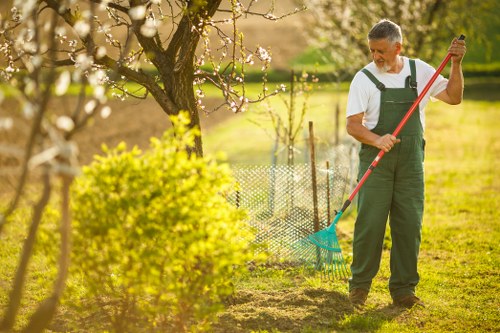
Even when two gardens look similar from the street, the work they need can be very different. A lawn may need a careful cut because of uneven growth, while a hedge in the same garden may need selective trimming rather than a hard reduction. Clearance jobs can also vary widely, depending on whether the site mainly contains loose cuttings, denser overgrowth or larger material that needs more structured removal. Matching the method to the task is what keeps the finish tidy and sensible.
That is why we treat each enquiry as a practical job description rather than a standard template. If you need support with recycling and sustainability, this can be discussed alongside the work so that removed garden material is handled appropriately where possible. For customers who want to see how the business is organised before they enquire, the services overview brings the main options together without overcomplicating things.
Useful decisions to make early: whether the priority is tidiness, access, reshaping or removal; whether the work is one-off or recurring; and whether the garden should be left merely clear or fully neat at the end. Those choices help define the scope and keep the quotation realistic. They also make it easier to combine the right service pages into one sensible plan.
Keeping garden work practical from enquiry to completion
Good garden work starts with a clear understanding of the site and ends with a space that feels properly finished. That may mean a single service, or it may mean combining mowing, trimming and clearance into one visit. Where the task is more involved, such as landscaping or tree work, the plan should be shaped around access, condition and the amount of detail required. We aim to keep the process straightforward, so the work and the quotation stay closely aligned.
If your garden needs regular care, a more involved tidy-up or a broader change to the way the space is used, we can help you identify the most suitable service from the options above. Use the service pages to compare the main categories and then decide what combination fits best. When you are ready, request a quotation and explain the work you want carried out in Enfield.
For most customers, the next step is simple: describe the main problem, state what outcome you want and say whether there are any practical limits on access or timing. That gives enough information to shape the work properly and avoid unnecessary back-and-forth. Clear details lead to clearer quotes, and clearer quotes lead to better decisions about the garden.
Choosing the right type of garden service

Choosing the right service usually depends on how the garden is performing right now. If it mainly needs routine attention, maintenance may be enough. If growth has become unmanageable, clearance can create a fresh starting point. If the garden layout no longer works well, landscaping or landscape gardening may be more appropriate. And if the visible finish is the main issue, mowing and hedge trimming can restore order without changing the whole space. This is why the service choice matters before the work begins.
Some customers need a single targeted task, while others want a coordinated approach that covers several parts of the garden at once. The more clearly the brief is set out, the easier it is to suggest a sensible plan. You can also use the site pages to compare specific options such as garden maintenance and hedge trimming before deciding what to include in your enquiry.
Whether the job is a tidy-up, a clearance or a more ambitious change, the aim is to leave the garden easier to use and better suited to the way you live. If you would like to move forward, send a brief description of the work and ask for a quotation. The most useful enquiries are the ones that describe the space honestly and keep the request focused on the outcome you want.