Emergency gardeners Enfield same day storm damage fix: fast, practical help when your garden takes a hit
Storm damage has a way of turning a normal garden into a messy, stressful problem in a matter of minutes. One moment everything looks fine; the next you've got broken branches, bent fencing, scattered debris, and a lawn that looks like it's been through a small battle. If you're searching for Emergency gardeners Enfield same day storm damage fix, you probably need more than general advice. You need a clear plan, fast action, and a realistic idea of what can actually be put right the same day.
This guide explains what emergency garden help usually covers, how a same-day visit works, what to prioritise first, and where the limits are. It also covers safety, practical costs, common mistakes, and the types of repair work that usually pair well with follow-up services like garden clearance, tree lopping and removal, and insurance and safety. Let's face it, after a storm, the last thing you need is waffle. You need the next sensible step.
Quick takeaway: the best emergency response is not always the biggest repair. It's the one that makes the area safe, prevents further damage, and gives you a clean handover for permanent fixes later.
Why Emergency gardeners Enfield same day storm damage fix Matters
Storm damage in a garden is rarely just cosmetic. A heavy branch can damage a fence, a leaning tree can threaten a shed or boundary, and debris can make paths slippery or block access. In some cases, the issue is obvious. In others, the danger is hidden until you walk around the garden and notice a cracked post, a root plate lifting, or loose limbs hanging overhead.
That is why same-day help matters. An emergency gardener is not just there to "tidy up." The real job is to reduce immediate risk. If something might fall, collapse, trip someone, or spread damage into other parts of the property, the priority is stabilising it quickly and safely.
In a place like Enfield, where gardens often back onto neighbours, alleyways, shared access routes, or timber fencing, storm damage can become a small chain reaction. One fallen branch can crush planting beds, block a gate, or push against a fence panel that was already slightly weak. A fast response helps stop the problem from spreading. And to be fair, after a windy night, that is usually what people want most: less stress, less uncertainty, and a garden they can use again.
It also matters from a practical standpoint. Leaving wet branches, damaged timber, and torn-up green waste sitting around can make the site harder to clean up later. Materials become heavier, more awkward, and sometimes more hazardous. A same-day fix can save time, prevent secondary damage, and make the follow-up work much simpler.
How Emergency gardeners Enfield same day storm damage fix Works
The process is usually straightforward, though every garden tells its own story. A good emergency response begins with a quick assessment of the immediate risks. That might mean looking at fallen branches, unstable trees, damaged fencing, blocked access, broken trellis, or torn planting structures.
Here's the usual flow:
- You describe the damage clearly. A short, practical explanation helps more than a long one. "Large branch across the lawn," "tree leaning toward the garage," or "fence section blown down" tells the story quickly.
- The urgency is judged. Some jobs are safe to schedule later. Others need immediate attention because of falling hazards or blocked access.
- A same-day visit is arranged where possible. Emergency work often depends on travel time, daylight, weather, and whether equipment is already available.
- The area is made safe first. Loose debris, unstable limbs, and sharp or heavy materials are addressed before any cosmetic tidying.
- Cleanup and temporary repairs follow. This might include cutting back broken growth, removing debris, securing light damage, or clearing access routes.
- Next-step advice is given. If the garden needs more substantial restoration, that gets planned as a separate follow-up rather than squeezed into the emergency visit.
A useful detail many people miss: same-day storm work is often about triage. Not every issue is solved in one pass, and that is perfectly normal. If a tree is unsafe, for example, it may need partial reduction or controlled removal rather than an instant full reset. If a fence is flattened, the emergency team may clear and stabilise it first, then recommend a proper replacement later.
That distinction matters. It keeps the work safe and avoids false promises.
Key Benefits and Practical Advantages
Emergency garden help after a storm gives you more than a neat-looking space. The benefits are practical, immediate, and, in some cases, quietly reassuring in a way you only appreciate once the mess is gone.
- Faster safety restoration: Loose branches, sharp debris, and unstable structures are dealt with before they become a bigger hazard.
- Protection against further damage: Clearing weight from broken fencing or damaged shrubs can stop the situation worsening.
- Better access: Gates, side passages, patios, and paths can be opened up again so you can move around safely.
- Reduced stress: A storm-damaged garden can feel overwhelming. A quick response gives you a clear plan instead of a long, nagging problem.
- Cleaner handover for long-term repairs: Once the emergency is handled, follow-up work becomes easier to scope and quote.
There is also a budgeting advantage, even if it doesn't always feel like it at first. A temporary stabilisation or controlled clearance can stop a small issue from becoming a larger structural job. Truth be told, gardens are often more fragile after bad weather than people expect. Wet soil, softened roots, and heavy branches can put surprising strain on everything around them.
For ongoing upkeep after the urgent work is done, it can help to review garden maintenance and, if the storm left a lot behind, garden clearance. That way you are not just reacting to the storm; you are resetting the garden properly.
Who This Is For and When It Makes Sense
This service is for anyone dealing with storm-related garden damage that cannot safely wait. That includes homeowners, landlords, property managers, letting agents, and anyone responsible for outdoor space that has been affected by wind, rain, or falling debris.
It makes sense when:
- a branch has fallen and is blocking a path, gate, driveway, or access route
- a tree is leaning more than it should after high winds
- a fence panel, post, or trellis has broken and may fall further
- there are loose limbs hanging overhead
- plants, beds, or lawn areas are covered in debris and debris is becoming slippery or difficult to manage
- the garden is exposing a neighbour's boundary or creating a security issue
It may also be the right move if you are preparing a property for viewing, an inspection, or a move-out and the garden has been left looking untidy after bad weather. In those moments, fast recovery is not about vanity. It's about getting the space presentable and safe again.
A small but useful distinction: if the issue is purely aesthetic, you might not need emergency call-out work. But if you are asking, "Is this safe to leave until next week?" then it probably deserves urgent attention.
Step-by-Step Guidance
If you are facing storm damage right now, here is the sensible order of operations.
- Keep people out of the danger zone. Do not stand under unstable branches or try to tug large debris free by hand. Wet timber can shift suddenly, and that never ends well.
- Take a quick look from a safe distance. Identify what is damaged, what is blocked, and what looks risky. A few photos can help when describing the issue.
- Separate urgent from non-urgent damage. Fallen branches and leaning trees come before broken edging or damaged plant pots. Annoying, yes. But prioritising works.
- Contact a local emergency gardening service. Say clearly that you need a same-day storm damage fix in Enfield and explain the most serious issue first.
- Ask what can be done immediately. Good providers will explain whether they can clear, secure, reduce, or temporarily stabilise the site on the same day.
- Prepare access. Make sure side gates, driveways, or front access points can be reached safely. If there are pets, keep them indoors while work is under way.
- Agree the scope before work starts. Even emergency jobs benefit from a simple, clear understanding of what will be tackled now and what will be left for later.
- Check the finished area. Once the immediate risk has gone, walk the space and confirm you can move through it safely.
If the work includes larger debris, rough clearance, or mixed waste, it can help to combine the response with services overview information so you know what happens next. And if the storm affected a tree heavily, tree lopping and removal may be the relevant follow-up service.
Expert Tips for Better Results
A few small decisions make a surprisingly big difference after a storm. In our experience, the best outcomes come from people who act early and stay focused on safety first.
- Document the damage before anything is moved if you may need to show a landlord, insurer, or managing agent. Keep it simple: wide shots, then close-ups.
- Do not assume all broken growth can be neatly "fixed." Some branches split in a way that means removal is safer than repair. Plants are resilient, but not magical.
- Ask about temporary stabilisation. Sometimes a tied-back section, light reduction, or debris removal is enough to make the garden safe for now.
- Watch the ground conditions. After heavy rain, lawns and borders can be soft. Heavy foot traffic may cause extra damage, so keep movement limited.
- Keep one clear route in and out. That helps the team work faster and reduces the chance of accidental trips or knocks.
A small practical aside: if the wind is still strong, even a tidy-looking branch can shift. So if someone says, "We'll deal with it tomorrow when it's calmer," that is not laziness. Sometimes that's just sensible. The weather gets a vote too.
For longer-term recovery, think in layers: make it safe, clear the mess, then restore the garden's shape. That often gives a cleaner result than trying to do everything at once.
Common Mistakes to Avoid
After a storm, people understandably want to get on with things. But the rush can create avoidable problems. A few mistakes come up again and again.
- Trying to move heavy branches alone. Wet wood is awkward, and hidden tension points can cause sudden movement.
- Cutting without checking what is supporting what. That is especially risky with split limbs or partially fallen trees.
- Ignoring minor-looking instability. A fence post or tree that "seems okay" may be worse than it looks.
- Mixing up cleanup and safety work. Tidy-up can wait if the area is still unstable.
- Leaving wet debris in piles for too long. It becomes heavier, messier, and sometimes starts to smell. Not ideal on a damp Tuesday morning.
- Forgetting access and boundaries. Storm damage often affects shared edges, so it's worth being clear about which side of the fence or hedge is being worked on.
One more common issue: people ask for the cheapest quote and then discover it doesn't include removal, cleanup, or disposal. Always check what "fixed" actually means in practical terms. Sometimes a low headline price is just a very narrow job description.
Tools, Resources and Recommendations
You do not need a shed full of equipment to deal with emergency storm damage, but the right tools matter. Professional gardeners dealing with urgent garden repairs will usually bring some combination of cutting tools, protective equipment, debris bags or bins, hand tools, and sometimes heavier gear for safe lifting and clearance.
For homeowners, the most useful things are less glamorous:
- basic gloves for light, safe handling only
- a torch for evening checks if the storm hit late
- a phone camera for documenting damage
- a clear path to the affected area
- a contact list for local help
If the issue affects a deck, path, or raised structure, it may also overlap with decking services. Water ingress, slipped boards, and loose fixings can become part of the same post-storm picture. That's one of those "while we're here" situations that's worth sorting properly rather than patching twice.
And because storm damage often creates more waste than expected, sustainability is worth thinking about too. If the provider sorts green waste responsibly, you may want to ask how recyclable material is handled. A sensible approach to waste can sit neatly alongside recycling and sustainability.
Law, Compliance, Standards, or Best Practice
Storm damage work in a garden is not usually about heavy regulation, but there are still important safety and duty-of-care considerations. In the UK, property owners and those managing premises are generally expected to keep outdoor areas reasonably safe. If a damaged tree, branch, or fence could injure someone or block access, delaying action may create avoidable risk.
Good practice usually includes:
- making the site safe before cosmetic tidying
- using appropriate protective equipment
- working within the limits of the weather and lighting
- avoiding uncontrolled tree cutting when the structure is unstable
- checking boundaries and access points before removal
If you're dealing with a tree that has been badly affected, the safer route is usually to involve someone who understands controlled pruning and removal rather than treating it as a casual DIY job. There is a big difference between trimming a wind-blown shrub and dealing with a split limb that could come down unexpectedly. Big difference. Really big.
From a customer-protection standpoint, it is sensible to check terms, payment expectations, and any relevant safety information before agreeing to urgent work. Useful supporting pages include terms and conditions, payment and security, and health and safety policy. If you need to understand how a provider handles complaints or service issues, complaints procedure is worth reviewing too.
Options, Methods, or Comparison Table
Not every storm-damaged garden needs the same kind of response. Choosing the right method depends on safety, scale, and how quickly you need the space usable again.
| Approach | Best for | What it usually includes | Limitations |
|---|---|---|---|
| Emergency same-day fix | Immediate hazards, blocked access, unstable debris | Quick assessment, safe clearance, temporary stabilisation, urgent tidy-up | May not include full restoration or replacement work |
| Scheduled storm recovery | Damage that is safe to leave briefly | More detailed cleanup, pruning, shape restoration, minor repairs | Slower response; not ideal if safety is uncertain |
| Full landscape repair | Widespread or structural garden damage | Rebuilding, replanting, fencing work, redesign, and finishing | Usually needs planning, materials, and more time |
In plain English: emergency work is for getting you out of the immediate problem. Recovery work is for making it look and function properly again. And full repair is for when the storm has changed the garden more fundamentally.
If the event has left the whole space overwhelmed, a broader follow-up may involve landscaping or landscape gardening. That is especially true where the garden needs more than a clean-up and a few replaced panels.
Case Study or Real-World Example
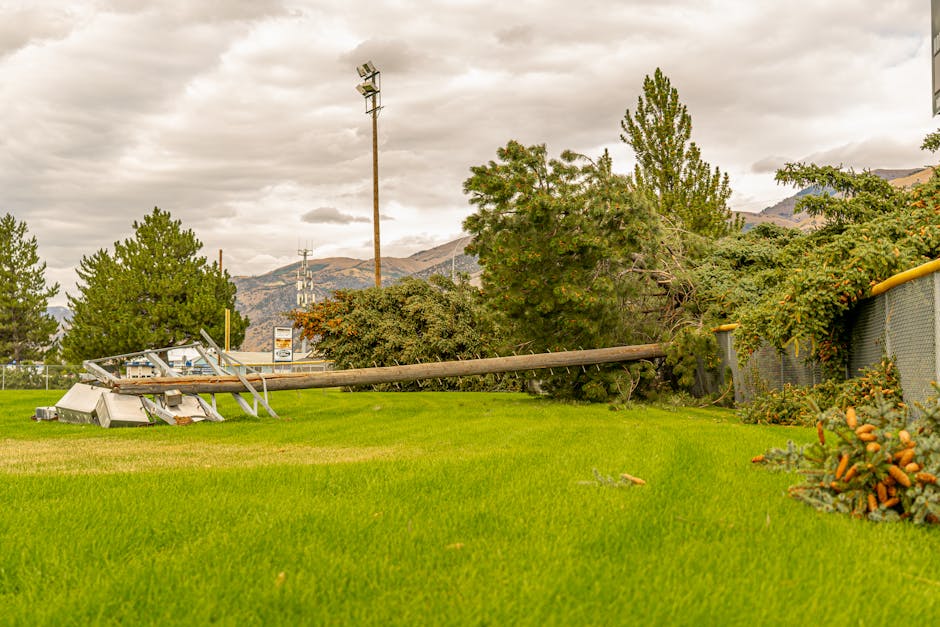
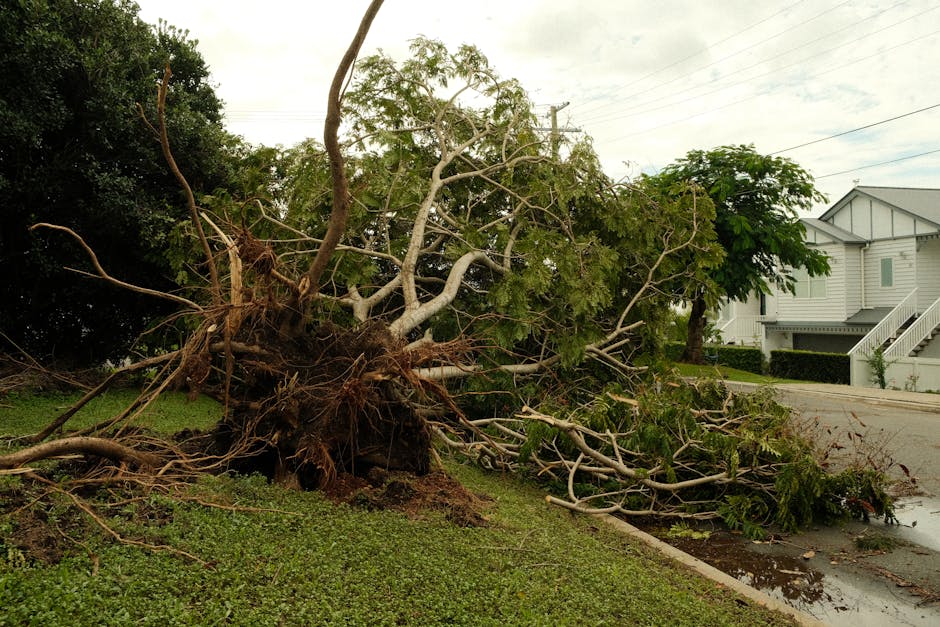
Imagine a typical Enfield back garden after a windy night. A medium-sized branch has come down across the lawn, a fence panel near the rear boundary has shifted, and smaller twigs have scattered over the patio and planting beds. The owner can still get into the garden, but only just, and the side access is partly blocked.
In a situation like that, the first aim is not perfect presentation. The first aim is safety and access. A same-day visit would usually focus on removing the branch, checking whether any other limbs are unstable, clearing the walkway, and securing the fence enough that it does not fail further. If the fence is beyond a quick stabilisation, the emergency team would likely advise a proper repair later rather than pretending a temporary fix is permanent.
That approach works because it keeps the site usable and reduces the chance of secondary damage. It also makes sense for the owner, who can then deal with any larger restoration in daylight and with a clearer head. There's a kind of relief in that moment when the path is clear again and the garden stops feeling like a hazard zone.
For this sort of scenario, a combination of garden clearance and selective emergency tree work is often the most practical route. Not flashy. Just effective.
Practical Checklist
Use this checklist if you are dealing with storm damage in Enfield and need to decide what to do next.
- Check whether anyone could be injured by the damage.
- Keep children and pets away from unstable areas.
- Look for hanging branches, leaning trees, or loose fence sections.
- Take a few photos from a safe distance.
- Confirm which access routes are blocked.
- Separate immediate hazards from cosmetic mess.
- Ask for same-day help if the area is unsafe or difficult to access.
- Make sure the scope of the visit is clear before work starts.
- Ask what will be cleared, stabilised, or left for follow-up.
- Review any relevant service terms and safety information.
- Plan longer-term repair only after the immediate danger is dealt with.
If you want to understand the broader service picture before booking, it can also help to review the company's about us page and pricing and quotes information. That gives a clearer sense of what kind of support is available and how urgent work is normally handled.
Get a free quote today and see how much you can save.
Conclusion
When a storm leaves your garden damaged, the smartest first move is usually not the biggest one. It's the safest one. Emergency gardeners in Enfield offering same-day storm damage fix services are there to make the space safe, remove immediate hazards, and stop a bad situation from getting worse.
If you act quickly, keep your priorities straight, and choose the right follow-up work after the urgent mess is cleared, the garden can recover far more smoothly than it first feels. That is the quiet win here. Not perfection on day one, just solid progress when you need it most.
And once the wind has passed and the path is clear again, there's a certain calm that comes back with it. A garden can bounce back. Usually better than people expect.
Frequently Asked Questions
What counts as an emergency garden problem after a storm?
Anything that could injure someone, block access, or cause more damage counts as urgent. Fallen branches, leaning trees, unstable fencing, and loose overhead limbs are common examples.
Can emergency gardeners in Enfield really help the same day?
Often, yes, if the issue is urgent and the team has capacity. Same-day availability depends on the size of the job, the weather, travel time, and how complex the damage is.
What should I do before the gardener arrives?
Keep people and pets away from the danger area, take photos if it is safe to do so, and make sure access points are clear. Do not try to remove large branches yourself.
Is storm damage garden work just clearance, or can it include repairs?
It can include both, but emergency visits usually focus on immediate safety and clearance first. Repair work such as fence replacement, replanting, or full restoration may come later.
How do I know if a tree needs urgent attention?
If it is leaning suddenly, has a split trunk, has hanging limbs, or appears to be lifting at the roots, it should be treated as urgent. A stable-looking tree can still be risky after strong winds.
Will a same-day fix make my garden look fully restored?
Not always. The main goal is to make the area safe and manageable. Full restoration may need a second visit, especially if there is structural damage or a lot of debris.
What if my fence has blown down but nothing else looks damaged?
That may still need prompt attention if it leaves the property exposed or creates a hazard. A temporary stabilisation or clearance visit can be a sensible first step.
Should I wait for the weather to improve before calling?
If the damage looks unsafe, no. Call sooner rather than later. If the weather is still severe, the team may advise on the safest timing, but early assessment is still valuable.
Do I need to provide photos when I request help?
It is not always required, but photos are very useful. They help the team judge urgency and bring the right tools or plan the right type of visit.
How do I choose between emergency clearance and a full landscape repair?
Choose emergency clearance when safety or access is the immediate issue. Choose full landscape repair when the site is stable and you want to rebuild, redesign, or restore the space properly.
Can storm damage affect decking, paths, or other garden features too?
Yes. Wet timber, lifted edges, shifted panels, and debris can affect multiple surfaces at once. If decking is involved, a service such as decking services may be part of the follow-up.
What is the most important thing to remember after a storm?
Safety comes first, then clearance, then repair. If you keep those in order, you make the job much easier and reduce the chance of another problem cropping up later.