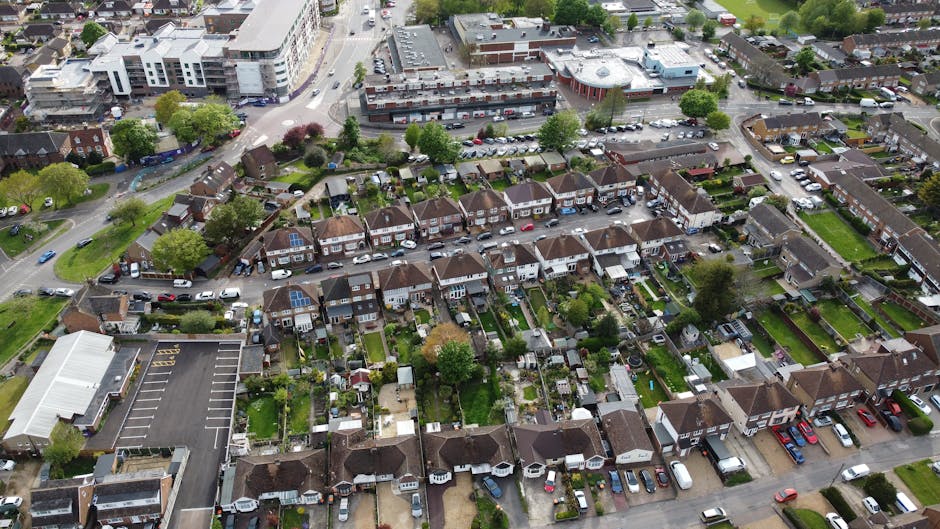
Insider tips for hiring Enfield Town gardeners
If you have ever stood in the garden on a damp Enfield morning, looking at a hedge that has gone a bit wild and a lawn that has lost the plot, you will know the feeling: you need help, but you do not want to hire the wrong person. That is exactly where insider tips for hiring Enfield Town gardeners become useful. The right gardener can save you time, protect your plants, and make the whole space feel calmer and easier to maintain. The wrong one? Well, that can mean missed appointments, rushed work, and a garden that somehow looks more tired than before.
This guide is designed to help you choose with confidence. We will cover what to look for, how to compare quotes, what good service actually looks like, and the quiet warning signs people often miss. We will also touch on safety, insurance, best practice, and a few local realities that matter in a place like Enfield Town, where many gardens are compact, varied, and often more demanding than they first appear.
In short: if you want a gardener who turns up, does the job properly, and leaves you with a healthier outdoor space rather than another headache, you are in the right place.
Why Insider tips for hiring Enfield Town gardeners Matters
Hiring a gardener sounds simple enough until you realise how different one gardener can be from another. Some are brilliant at regular maintenance, some are stronger on tidy-ups and seasonal work, and some are better with bigger garden projects. In practical terms, the person you hire can affect everything from the appearance of your front path to the long-term health of your shrubs and borders.
That matters in Enfield Town because many gardens here are not huge open spaces where mistakes are easily hidden. You might be dealing with a narrow side return, mature trees, a patchy lawn, or planting that needs careful handling. A good gardener will notice the small things: drainage that is a bit off, overgrown stems that need cutting in the right season, or a lawn edge that is getting damaged by repeated strimming. A less careful one may just power through. Fast, yes. Good? Not always.
The bigger point is trust. You are letting someone work around your home, often while you are not there. You need to know they understand the job, respect your property, and communicate clearly. That is why finding the right fit is not a luxury. It is the difference between an outdoor space that quietly improves month after month, and one that keeps slipping back into chaos. Let's face it, gardening is one of those jobs where details really do show.
Expert summary: The best Enfield Town gardeners are not just the ones with the sharpest tools; they are the ones who listen carefully, explain what they will do, and leave you with a realistic plan for keeping the garden healthy after they go.
How Insider tips for hiring Enfield Town gardeners Works
There is usually a fairly simple pattern to hiring a gardener, but the quality of each step makes a huge difference. Think of it less like "book and forget" and more like a short selection process with a few checks built in. That may sound a bit formal for garden work, yet it saves trouble later.
First, you identify what you actually need. A tidy-up after winter is very different from ongoing fortnightly maintenance. Then you compare services and ask direct questions. After that comes the quote, the schedule, and the first visit. If the work is done well, you should notice a clear improvement quickly, but also a sensible approach to longer-term care.
In our experience, people often skip the middle part. They call the first name they hear, agree a vague price, and hope for the best. That can work, to be fair, but it often leaves no room to compare skill levels, materials, or service style. A better process looks like this:
- Define the job clearly. Maintenance, one-off clearance, pruning, turf care, planting, or a mix?
- Check how the gardener works. Do they offer regular visits, one-off jobs, or both?
- Ask about insurance and safety. This matters more than many people expect.
- Review the quote carefully. What is included, what is not, and how are extras handled?
- Agree on communication. If the weather changes or a plant issue comes up, how will they let you know?
- Start with a smaller job if needed. A first visit is a good test before committing to ongoing work.
This approach keeps the hiring process grounded. No drama. No vague promises. Just a practical way to find someone who can do the work properly.
Key Benefits and Practical Advantages
Hiring the right gardener gives you more than a neat lawn. It can change how you use the space, how healthy the planting stays, and how much time you spend worrying about it. That is especially helpful if you are busy, older, dealing with mobility issues, or simply tired of trying to keep up with fast-growing hedges and weeds on your own.
Here are the main advantages people usually notice:
- Better presentation: tidy borders, trimmed edges, and a garden that looks cared for rather than patched together.
- Healthier growth: proper pruning and feeding routines can support stronger plants and better flowering.
- Less waste of money: a skilled gardener can prevent avoidable damage, such as cutting back at the wrong time or scalping a lawn.
- Safer conditions: clearing slippery paths, handling tools properly, and reducing trip hazards all matter.
- More consistency: regular visits usually work better than occasional panic clean-ups.
- Better seasonal planning: a good gardener knows what needs doing before the problem becomes obvious.
There is also a quieter benefit. A tidy outdoor space can make the rest of the house feel more settled. You notice it when you open the curtains in the morning, or step out for a cup of tea and realise the garden no longer feels like another task hanging over you. That little sigh of relief is worth something.
Who This Is For and When It Makes Sense
This guidance is useful for a wide range of people in Enfield Town. You may need a gardener if you are a homeowner trying to keep up with a busy household, a landlord preparing a property between tenancies, or someone who has recently moved and inherited a garden that needs a proper reset. It is also helpful for people with established gardens who want professional maintenance rather than occasional rescue work.
It makes particular sense if:
- the garden is getting out of hand and you do not know where to start;
- you want regular upkeep rather than a one-time clear-out;
- you need help with pruning, hedge care, planting, or lawn management;
- you want a reliable local person rather than a random one-off arrangement;
- you care about safety, insurance, and professionalism;
- you want advice on how to improve the garden, not just cut it back.
It may be less urgent if your garden is tiny, low-maintenance, and you genuinely enjoy doing the work yourself. But even then, a seasonal visit for heavier jobs can be a smart compromise. Truth be told, not everyone has the time, the tools, or the inclination to wrestle with a hedge trimmer on a Saturday afternoon.
Step-by-Step Guidance
Here is a practical way to hire a gardener without overcomplicating it.
1. Start with a clear brief
Write down what you need done. Be specific. "General garden help" is too broad to quote properly. Better examples include "front and back garden tidy-up, hedge trim, lawn edging, weed removal, and waste clearance" or "monthly maintenance for borders and lawn."
If there are problem areas, mention them early. Sloped access, a heavy leaf fall, delicate planting, awkward steps, or narrow side access can all affect time and cost.
2. Decide whether you need one-off or ongoing work
One-off jobs are useful after a long gap, a storm, or a period when you have fallen behind. Ongoing maintenance tends to give a better result if the garden grows quickly or needs regular control. A lot of people start with a one-off tidy-up and then move to a routine schedule once they see what is involved.
3. Ask what services are included
Do not assume mowing, pruning, leaf clearing, and waste removal are all included in the same way. Ask directly. A quote that looks cheap can become less attractive once extras start appearing. It is not about catching anyone out; it is about understanding the scope.
4. Check communication style
Good gardeners explain things in plain English. They should be able to tell you what needs doing now, what can wait, and what might be better left until a different season. If their answers feel evasive or rushed, pay attention to that.
5. Compare more than just price
Price matters, of course. But so do timing, reliability, experience, and whether they seem to understand your garden type. A slightly higher quote from a careful, well-organised gardener may be better value than a cheaper option that cuts corners.
6. Start with the first visit as a test
The first job tells you a lot. Did they arrive on time? Did they work tidily? Did they respect plants and boundaries? Did they leave the place better than they found it, not just shorter? Small things matter.
Expert Tips for Better Results
These are the sort of tips that often separate a decent hire from a really good one.
- Ask about plant knowledge, not just labour. A gardener who knows when to prune, when to feed, and when to leave something alone is worth listening to.
- Check how they handle waste. Green waste can pile up fast after pruning and clearance jobs. Ask whether removal is included or arranged separately. If sustainability matters to you, take a look at the site's recycling and sustainability approach.
- Look for realistic promises. Anyone claiming they can fix an overgrown garden "properly" in under an hour is probably talking too fast.
- Ask what happens in wet weather. In London, weather changes can affect mowing, planting, and even hedge work. A sensible gardener will adapt rather than force the issue.
- Request a maintenance plan if you need one. Not a formal document, necessarily. Just a simple view of what happens monthly or seasonally.
- Pay attention to the edging. It sounds tiny, but clean edges tell you a lot about care and precision.
One small but useful habit: take a couple of photos before the first visit. Nothing fancy. Just enough to compare. It keeps things honest, and it helps you judge progress properly later on.
You can also learn a great deal by asking how the gardener would approach a specific issue. For example, "This camellia looks unhappy after winter, what would you do?" A thoughtful answer is a good sign. A shrug, less so.
Common Mistakes to Avoid
People usually do not hire the wrong gardener because they are careless. More often, they are busy and make one or two avoidable mistakes. Here are the big ones.
Choosing on price alone
A low quote can be tempting, especially if the garden looks like it needs a small army. But if the price is far below other quotes, ask why. It may mean less time, fewer services, or no waste removal.
Not defining the job
If you do not say what you want, you cannot fairly judge whether the work was completed. Be clear about the border, hedge, lawn, pathway, and cleanup expectations.
Skipping checks on insurance and safety
This is one of the biggest oversights. If someone is working on your property with tools, ladders, or machinery, you want to know they take risk seriously. You can find more detail on insurance and safety and the company's health and safety policy.
Ignoring how they communicate
Reliability is not only about turning up. It is also about explaining delays, changes, and limitations clearly. If communication is messy before the job starts, it rarely improves after.
Expecting a one-off cut to solve everything
Some gardens need seasonal care, not a single tidy-up. If a border is overrun or a hedge is badly shaped, it may take more than one visit to get it back under control. That is normal.
And yes, this is where people sometimes get frustrated. They want magic. Gardening rarely works like that. Plants have opinions, and weather has the final word more often than we would like.
Tools, Resources and Recommendations
You do not need specialist knowledge to make a good hiring decision, but a few simple tools help a lot.
- A written job list: keeps the conversation clear and helps compare quotes fairly.
- Photos of the garden: useful for getting an initial sense of size and condition if you are enquiring remotely.
- A rough schedule: helpful if you want weekly, fortnightly, monthly, or seasonal visits.
- Property access notes: side gate, locked areas, parking constraints, water access, and shed access if relevant.
- A budget range: not a rigid figure, just a sensible band so you can compare options without guessing.
On the website, several pages can help you judge service quality before you book. If you want a fuller view of what is offered, start with the services overview. If you are weighing up costs, the pricing and quotes page is a smart place to look. For background on the business itself, the about us page can help build trust, and if you are ready to ask questions directly, the contact page is the obvious next step.
If you like to understand the practical side of how a provider works, the supporting policy pages can also be reassuring. That includes payment and security, terms and conditions, and privacy policy. They are not exciting reading, admittedly, but they tell you a lot about professionalism.
Law, Compliance, Standards, or Best Practice
Gardening is not usually a heavily regulated service in the way some trades are, but there are still standards and responsibilities worth taking seriously. A reputable gardener should work safely, handle equipment properly, and be clear about the scope of service. If machinery, ladders, or sharp tools are involved, sensible risk controls matter. That is true whether the job is a quick hedge trim or a full garden clearance.
Insurance is another basic expectation. You do not need to become an expert on policy wording, but you should feel comfortable asking whether a provider carries appropriate cover for the work they do. Likewise, if they employ staff or subcontractors, it is reasonable to expect responsible business practices. The presence of a modern slavery statement and clear company policies can be reassuring when you are checking how seriously a business treats its obligations.
Best practice also includes honest quoting, clear communication, and respect for client property. If you ask for a written summary of what is included, that is not being difficult. It is simply good practice. In a domestic setting, clarity prevents a lot of misunderstandings later.
For some customers, accessibility matters too. If you need information in a more usable format or want to know how a site is designed to support different users, the accessibility statement is there for that purpose.
Options, Methods, or Comparison Table
Different hiring approaches suit different situations. Here is a simple comparison to help you decide what fits best.
| Approach | Best for | Pros | Watch out for |
|---|---|---|---|
| One-off tidy-up | Overgrown gardens, seasonal resets, move-in jobs | Fast improvement, useful for catching up | May not solve ongoing growth issues |
| Regular maintenance | Lawns, borders, hedges, ongoing upkeep | Consistent results, easier to manage long term | Needs a reliable schedule and clear expectations |
| Project-based work | Replanting, redesigns, bigger changes | Good for transformation work and planning | Can take longer and require more communication |
| Seasonal visits | Spring starts, autumn clear-downs, pruning windows | Focused support at the right time of year | Less help between visits if the garden grows quickly |
If you are unsure which method suits you, ask the gardener to recommend one based on the current state of the space. A good professional will usually tell you if regular maintenance is more sensible than repeated emergency clear-ups. That honesty is a good sign. Very good, actually.
Case Study or Real-World Example
Imagine a semi-detached property near Enfield Town with a front garden that looks tidy from the pavement but hides a few growing issues: a hedge that has become lopsided, a back lawn with thin patches, and borders that have been smothered by weeds after a busy few months. The owner wants the place back under control but does not want a dramatic redesign.
The best outcome in a case like this usually starts with a clear brief. The gardener is told what matters most: reset the hedge shape, remove weeds, edge the lawn, and leave the borders ready for seasonal planting later. On the first visit, the work is completed in stages rather than all at once. The gardener notices a drainage patch near the back fence and flags it for later. That small observation saves the owner from a bigger problem down the line.
What makes this kind of job succeed is not just effort. It is judgement. The gardener understands that the lawn should not be overcut, that some shrubs need timing rather than force, and that a bit of advice now can save a lot of regret in six weeks. The result is a garden that looks better immediately and is easier to maintain afterwards. No fireworks. Just solid, competent work. And sometimes that is exactly what you want.
Practical Checklist
Use this checklist before you agree to hire anyone:
- Have I clearly described the work I need done?
- Do I know whether I need one-off or ongoing gardening help?
- Have I asked what is included in the quote?
- Have I checked how waste removal is handled?
- Have I asked about insurance and safety?
- Do I understand when the work will take place and how changes will be communicated?
- Have I compared more than one option where possible?
- Do I feel comfortable with the gardener's communication style?
- Have I reviewed useful service and policy pages such as services overview, pricing and quotes, and complaints procedure?
- Do I have a clear next step if I want to book or ask follow-up questions?
If you can answer yes to most of those, you are in a strong position. If not, pause. Ask the extra question. It is much easier to clarify things before work starts than after the hedge has already been cut too short. We have all seen that one. Ouch.
Conclusion
Hiring a gardener in Enfield Town does not need to be guesswork. The real insider advantage is simple: define the job clearly, ask practical questions, look beyond the headline price, and choose someone who communicates like a professional. When you do that, you are far more likely to get a gardener who respects your property, understands your space, and helps the garden improve over time rather than just looking neat for a day or two.
For many people, the best decision is not the cheapest one or the flashiest one. It is the one that makes life easier every week after the first visit. That is the quiet value of good garden care. You feel it when you step outside and the space just works.
Get a free quote today and see how much you can save.
If you are ready to take the next step, review the service details, read the supporting policy pages, and ask for a quote that matches your actual needs. A little care at the start usually pays off later. And honestly, a well-kept garden has a way of lifting the whole house.
Frequently Asked Questions
How do I know if a gardener in Enfield Town is reliable?
Reliability usually shows up early. Look for clear communication, punctual replies, a specific quote, and sensible answers to your questions. If they are vague about timing, scope, or what is included, that is a warning sign. Good gardeners tend to be practical and direct.
Should I choose a one-off garden tidy-up or regular maintenance?
If the garden is very overgrown or neglected, a one-off tidy-up is often the best first step. If you want the space to stay under control, regular maintenance is usually better value over time. Many people start with one visit and then move into a routine once they see the difference.
What should be included in a gardener's quote?
A proper quote should explain the tasks included, any waste removal arrangements, and whether materials or extras are separate. If something is not clear, ask. A good quote protects both sides and avoids awkward misunderstandings later.
How much detail should I give before asking for a quote?
Quite a bit, actually. The more detail you give, the more accurate the quote will be. Mention access issues, garden size, problem areas, and whether you want ongoing visits or a single job. Photos can help too.
Do gardeners usually bring their own tools?
Most professional gardeners do bring their own tools, but you should still confirm this. It is also worth asking whether specialist equipment is needed for larger jobs. That way, there are no surprises on the day.
Why does insurance matter when hiring a gardener?
Because gardening work can involve tools, ladders, and physical tasks on your property. Insurance is part of responsible business practice. It gives you more confidence that the work is being handled professionally and that the gardener takes safety seriously.
Can a gardener help with pruning and hedge shaping?
Yes, many can, but skill levels vary. Pruning is one of those jobs where timing and technique matter. A confident gardener should be able to explain how they would approach different shrubs, hedges, or trees without sounding guessy.
What are the signs of a poor gardening service?
Warning signs include unclear pricing, inconsistent arrival times, poor communication, rushed work, and a lack of care around plants or property. Another red flag is when a gardener cannot explain what they plan to do in plain English.
How can I compare gardeners fairly?
Compare scope, reliability, communication, insurance, and price together. Do not just look at the number on the quote. A cheaper quote may not include the same work, and a slightly higher one may offer much better value if it is more complete.
Is it worth asking about sustainability and waste handling?
Yes. Garden waste can build up quickly, and many customers prefer a gardener who handles disposal responsibly. It is also useful to know whether the business follows sensible recycling and sustainability practices, especially if you care about the environmental side of the job.
What if I am not sure what gardening services I need?
That is very common. Start by describing the garden's condition and what bothers you most. A good gardener can usually help you work out whether you need clearance, maintenance, pruning, planting, or a mix. You do not need to know the technical terms before you enquire.
Where should I start if I want to book a gardener?
A sensible first step is to review the service details, understand pricing, and then make contact with a clear description of your garden. If you want to check trust and process information first, pages like about us, payment and security, and terms and conditions can be useful background before you commit.