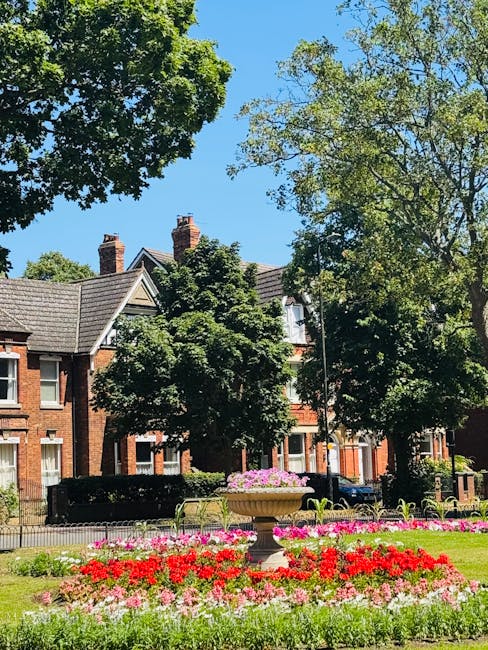
Gardeners for Enfield EN1 EN2 EN3 postcodes quick quotes
If you're searching for Gardeners for Enfield EN1 EN2 EN3 postcodes quick quotes, you probably want two things at once: a reliable local gardener and a fast answer without endless back-and-forth. Fair enough. Garden jobs tend to build up quietly, then one damp weekend or one sunny Saturday suddenly makes the whole thing feel urgent.
This guide explains how quick garden quotes work in Enfield, what usually affects the price, which services people ask for most often, and how to compare gardeners without getting tripped up by vague estimates. Whether you need a one-off tidy-up, ongoing garden maintenance, or help clearing an overgrown space, you'll find a practical route through it here.
In and around EN1, EN2, and EN3, gardens can vary a lot. Some are compact town plots with awkward access. Others have long lawns, mature hedges, heavy shade, or a few years of "I'll deal with that later" woven into every border. Quick quotes are useful because they help you make a sensible decision before the weeds win. Let's face it, they often do if you wait too long.
Expert summary: A good quick quote should be clear, specific, and based on your actual garden size, access, and job type. If a quote is too fast and oddly cheap, it may be missing important details. If it's slow and unclear, that's not much better either.
Table of Contents
- Why Gardeners for Enfield EN1 EN2 EN3 postcodes quick quotes Matters
- How Gardeners for Enfield EN1 EN2 EN3 postcodes quick quotes Works
- Key Benefits and Practical Advantages
- Who This Is For and When It Makes Sense
- Step-by-Step Guidance
- Expert Tips for Better Results
- Common Mistakes to Avoid
- Tools, Resources and Recommendations
- Law, Compliance, Standards, or Best Practice
- Options, Methods, or Comparison Table
- Case Study or Real-World Example
- Practical Checklist
- Conclusion
- Frequently Asked Questions
Why Gardeners for Enfield EN1 EN2 EN3 postcodes quick quotes Matters
A quick quote matters because most garden work is time-sensitive in a very ordinary, practical way. Grass keeps growing. Hedges don't pause. Leaves accumulate. A border that looked "fine for now" in April can look properly tired by August. If you live in EN1, EN2, or EN3, getting a swift price helps you act while the job is still manageable.
There's also the planning side. Gardeners are often booked around weather, school holidays, moving dates, landlord inspections, and seasonal surges. If you need work done before visitors arrive, before a tenancy handover, or before you can finally use the garden again, speed matters. Not rushed speed, mind you. Just enough pace to keep the job moving.
Local quotes are especially helpful because access, parking, waste removal, and the type of property all influence the work. A small front garden in a terraced street will not need the same approach as a large rear plot with dense growth and broken-down beds. Good quote systems reflect that reality instead of pretending every garden is the same. They aren't, obviously.
If you want a broader view of what a professional team can cover, it helps to look at a full services overview rather than focusing only on one task. Many jobs overlap, and a tidy quote is often built from several small pieces rather than one headline price.
How Gardeners for Enfield EN1 EN2 EN3 postcodes quick quotes Works
A quick quote is usually built from a few simple details. You describe the garden, the work needed, and the postcode area. The gardener then estimates the labour, time, materials if relevant, and any disposal requirements. In some cases a photo-based quote is enough. In others, a site visit is smarter, especially if the garden is heavily overgrown or access is awkward.
Here's the basic flow most people can expect:
- Initial enquiry: You send a short description of the job and your EN1, EN2, or EN3 postcode.
- Assessment: The gardener considers size, condition, access, and the level of effort involved.
- Quote issued: You receive a price or a price range, sometimes with notes about what is included.
- Booking: If you accept, a time is arranged. For larger jobs, this may depend on weather and team availability.
- Work carried out: The job is completed and any agreed waste handling or finishing touches are done.
The important thing is clarity. A quote should make sense to you without needing a decoding manual. If the gardener has to guess too much from a vague message like "my garden needs sorting," the estimate may be broad. That is normal. But the best businesses will ask smart follow-up questions instead of simply throwing out a number and hoping for the best.
For example, mowing a tidy lawn is one kind of task. Clearing a long-neglected garden with brambles, heavy clippings, and stacked debris is another. If you also want hedge shaping, lawn mowing, or a full reset, those details should be separated in the quote so you can see exactly what you're paying for.
Key Benefits and Practical Advantages
The main advantage of quick quotes is speed, but there's more to it than that. A decent quote process can save you money, reduce stress, and stop you booking the wrong kind of help.
- Faster decisions: You can compare options before the garden gets worse.
- Better budgeting: You know whether the job fits your plans this month or needs staging.
- Less uncertainty: A clear scope reduces the chance of surprises later.
- Improved scheduling: You can line the work up with a move, a party, or a seasonal tidy.
- More suitable service matching: A quote helps identify whether you need mowing, clearance, hedge work, or broader landscaping.
There's a practical comfort in knowing where you stand. Nobody likes waiting around wondering if a simple tidy-up is going to turn into a small building project. Quick quotes help separate the manageable from the messy.
They're also useful for landlords, homeowners, and property managers who need to act quickly but still document the cost. A quote can help justify a decision, especially when several tasks need coordinating at once.
When the garden needs more than a tidy, services such as garden clearance, hedge trimming, or landscaping may be part of the solution. That's where a proper quote beats guesswork every time.
Who This Is For and When It Makes Sense
This kind of service is useful for a lot of people, and not just the "my garden has turned into a jungle" crowd. Though, to be fair, that is a common reason to call.
It makes sense if you are:
- a homeowner trying to get the garden back into shape after winter
- a tenant preparing for an end-of-tenancy inspection
- a landlord arranging a tidy-up between occupants
- a busy family who needs recurring help to keep on top of growth
- an older resident who wants dependable support without doing the heavy lifting
- a property manager needing a prompt turnaround for multiple outdoor areas
It also makes sense if you want a one-off job before you commit to regular maintenance. A lot of people start with a quick quote, test the service, then decide whether ongoing care is worthwhile. That is a sensible way to do it. No drama.
If your garden includes mature trees, you may also need something more specialist than mowing or weeding. In that case, services such as tree lopping and removal may be relevant, especially where branches are blocking light, overhanging structures, or simply getting out of hand.
Step-by-Step Guidance
Getting a useful quote is easier when you give the right information up front. A tiny bit of preparation goes a long way here, and it keeps the replies more accurate.
- Measure the rough size of the garden. You do not need a surveyor's notebook. Just note whether it is small, medium, or large, and whether there are front and rear areas.
- Describe the condition honestly. Is it a straightforward mow, an overgrown border, or a full clearance with piles of waste? Be plain about it.
- List the jobs you want done. For example: mowing, hedge trimming, weeding, leaf clearance, and green waste removal.
- Share access details. Side access, locked gates, tight pathways, stair access, parking issues, and water supply can all affect the work.
- Send photos if possible. A few clear images usually help more than a long message. Morning light is best; shadows can make things look worse than they are, or the reverse.
- Ask what is included. Confirm whether the quote covers labour, waste removal, materials, and tidying at the end.
- Compare like for like. If one quote includes disposal and another doesn't, they are not actually the same price.
- Book and confirm the schedule. Make sure the date, expected duration, and any arrival window are clear.
One small but important note: if you are asking for multiple services in one visit, ask for the quote to be itemised. It makes decision-making easier and avoids misunderstandings later. A tidy breakdown is worth its weight in peace of mind.
Expert Tips for Better Results
The best quotes tend to come from the best briefs. That sounds obvious, and it is, but you'd be surprised how often people skip the basics and then wonder why the estimate feels loose.
Give context, not just a request. "Need garden done" is too vague. "Rear garden in EN2, knee-high grass, one dense hedge, and old clippings to remove" is much more useful.
Think seasonally. Spring and early summer bring growth speed; autumn brings leaf fall and more clearance work. If you wait until the garden is packed with debris, it can take longer and cost more than a maintenance visit would have done. That's just the nature of it.
Don't hide the awkward bits. Broken fence panels, rotten sleepers, steep steps, or blocked access matter. A quote that ignores access is usually the quote that gets revised later. Nobody enjoys that conversation.
Ask whether ongoing maintenance would be cheaper overall. If your garden needs regular attention, a one-off tidy-up may only be the beginning. A sensible maintenance rhythm often reduces heavy work later.
Use the quote as a planning tool. If the first quote feels too high, ask what could be scaled back. Maybe the hedge can wait, or the clearance can be split into stages. That is normal, and often helpful.
And one more thing: good gardeners tend to ask questions. That is usually a good sign, not a nuisance. The right questions mean they're trying to quote properly rather than improvising from thin air. A bit old-school, but solid.
Common Mistakes to Avoid
People often lose time or money because they skip a few simple checks. Nothing dramatic, just avoidable stuff.
- Choosing only on price: The cheapest quote is not always the best value, especially if it excludes disposal or a proper finish.
- Being too vague: "General garden work" can mean almost anything.
- Ignoring access issues: If the team cannot easily reach the back garden, the job may take longer than expected.
- Not checking what waste handling means: Green waste removal, bagging, and disposal are not always bundled together.
- Assuming all gardeners do the same work: Some are best for regular maintenance, others for clearance or bigger outdoor projects.
- Forgetting about timing: A quote today may be fine, but the earliest slot could be next week or next month depending on demand.
Another common mistake is underestimating how fast a garden can change. A space that looks "mostly okay" in the rain can reveal all sorts of patchy growth, moss, and debris once the light changes. Nature is annoyingly good at that.
If the garden has been neglected for a while, it may be better to start with a larger reset and then move into regular upkeep. In those cases, combining garden maintenance with clearance work can be a far more practical path than trying to fix everything in one over-ambitious visit.
Tools, Resources and Recommendations
You do not need a shed full of specialist gear to prepare for a quote, but a few simple tools and habits make the process smoother.
- A smartphone camera: Clear photos of the whole garden and problem areas are very helpful.
- Basic notes: Write down what you want done, what can wait, and any access details.
- A rough garden sketch: Not essential, but it can help for larger or oddly shaped plots.
- A tape measure or pacing out the space: Even a rough size estimate is better than nothing.
- Calendar access: If timing matters, have your preferred dates ready before enquiring.
For services, it helps to think in categories. Some jobs are routine and predictable, like mowing or seasonal trimming. Others are more project-based, such as a full redesign or structural change. If you're considering a bigger transformation, landscape gardening and decking services may be part of the conversation, especially if the current layout is no longer working for the way you use the space.
It can also be useful to review company information on safety, payments, and environmental handling before you commit. The pages on insurance and safety, payment and security, and recycling and sustainability are worth reading if you want a clearer picture of how a responsible local service operates.
Law, Compliance, Standards, or Best Practice
For most domestic garden jobs, the main thing is not complex regulation but sensible best practice. Still, a trustworthy gardener should work safely, handle waste responsibly, and be clear about what they can and cannot do.
Good practice usually includes:
- working with appropriate public liability cover where applicable
- using safe methods for ladders, cutting tools, and powered equipment
- separating routine maintenance from more hazardous work such as large tree work
- being honest about access limitations and site risks
- handling customer data and contact details carefully
- setting out payment terms clearly before work begins
Tree-related work is the area where caution matters most. If branches are high, heavy, or near structures or power lines, it is sensible to treat that as specialist work rather than a simple tidy-up. A careful quote should reflect that. No one wants a quick job to become an unsafe one.
Waste handling is another area where good practice matters. A gardener should explain whether green waste will be removed, left for council collection, composted on site, or bagged for later disposal. Clear expectations help everyone. The boring bits are often the most important, honestly.
If you're reviewing a provider for the first time, it may also help to look at the company's broader policies, including health and safety policy, complaints procedure, and about us page. Those pages do not guarantee the quality of every job, of course, but they do give a useful window into how seriously the business treats accountability.
Options, Methods, or Comparison Table
Different garden jobs call for different quote methods. Some can be priced from a photo. Others need a visit. Here's a simple comparison to help you choose the right approach.
| Quote method | Best for | Pros | Watch out for |
|---|---|---|---|
| Photo-based quick quote | Simple mowing, light trimming, straightforward tidy-ups | Fast, convenient, good for early budgeting | May miss hidden access or depth of overgrowth |
| Message-based estimate | Small jobs with clear instructions | Easy to request, often very quick | Can be less accurate if the description is vague |
| Site visit quote | Large clearances, overgrown gardens, landscaping, awkward access | More accurate and better for complex work | Takes longer to arrange |
| Itemised quote | Multi-part jobs with different tasks | Clearer value and easier comparison | Needs a bit more detail upfront |
For many Enfield gardens, an itemised quote is the sweet spot. It keeps the process quick while still showing you what you are paying for. If the job involves different elements, such as mowing plus hedge shaping plus clearance, itemisation is a very good idea.
In some cases, a regular upkeep plan makes more sense than repeated one-off visits. That is especially true for gardens that grow quickly or for people who simply do not want to spend their weekends with a strimmer in one hand and a half-finished plan in the other.
Case Study or Real-World Example
Picture a typical spring enquiry in EN2. The garden is medium-sized, the lawn is patchy and long, the hedge has outgrown its shape, and the back corner has become a dumping spot for leaves and cuttings from previous weeks. The owner wants the space presentable before a family gathering in a couple of weeks.
Rather than asking for "general gardening," they send a short message with three clear photos, note the side access is narrow, and explain that waste removal is needed. The gardener replies with a quote that separates mowing, hedge trimming, and clearance. That makes the decision much easier. The owner can see which parts are essential and which can be delayed if needed.
On the day, the team starts with the worst growth first. You can almost hear the difference once the lawn is cut: the whole garden sounds lighter. Then the hedge is brought back into shape, and the waste is gathered neatly. The result is not some fantasy makeover. It is simply a garden that feels usable again, which is often what people really want.
That sort of job is exactly where quick quotes shine. They help you move from "I know this needs doing" to "right, this is the plan." Small difference. Big relief.
Practical Checklist
Use this checklist before requesting a quick quote for a garden job in Enfield.
- Confirm your postcode: EN1, EN2, or EN3
- List the exact tasks you want done
- Take a few clear photos in daylight
- Note garden size and access details
- Say whether waste removal is needed
- Flag any awkward features such as slopes, steps, or locked gates
- Ask whether the quote is fixed or estimated
- Check if the price includes labour, materials, and disposal
- Compare the scope of more than one quote
- Decide whether this is a one-off job or ongoing maintenance
Useful quick reminder: the better the brief, the better the quote. It really is that simple, even if the garden itself is not.
Conclusion
Searching for Gardeners for Enfield EN1 EN2 EN3 postcodes quick quotes is really about getting control back. A clear quote helps you understand the work, plan the spend, and choose a gardener with confidence instead of crossing your fingers and hoping for the best.
The smartest approach is usually simple: be honest about the garden's condition, ask for a clear breakdown, compare like for like, and think beyond the cheapest price. Whether you need regular upkeep, a one-off reset, or something more involved, the right quote should feel practical, not mysterious.
And if your garden has been bothering you for a while, that is okay. Most of them have a season where they get away from us a bit. The good news is they can be brought back. Bit by bit, if needed.
Get a free quote today and see how much you can save.
Frequently Asked Questions
How quickly can I get a garden quote in EN1, EN2, or EN3?
It depends on the job, but quick quotes are often possible when you provide a clear description and photos. Simple mowing or tidy-up work is usually easier to price than heavily overgrown or access-restricted gardens.
What information should I send to get the most accurate quote?
Send your postcode, a short description of the job, photos, approximate garden size, access details, and whether waste removal is needed. The more practical detail you give, the more useful the quote will be.
Do quick quotes usually include waste removal?
Not always. Some quotes include green waste removal, while others price it separately. Always check what is included so you can compare quotes fairly.
Is a photo-based quote reliable?
It can be, especially for straightforward jobs. For larger clearance work, tricky access, or jobs with hidden issues, a site visit may be more accurate.
What kind of garden jobs are most common in Enfield?
Typical requests include lawn mowing, hedge trimming, garden clearance, seasonal tidy-ups, and maintenance visits. Some gardens also need tree work or larger landscaping support.
How do I know if I need garden maintenance or a one-off clearance?
If the space mainly needs regular upkeep, maintenance is usually the better fit. If it has become overgrown or cluttered, a one-off clearance may be the right first step before any ongoing care.
Why do some quotes seem much cheaper than others?
Cheaper quotes may exclude disposal, finishing work, travel, or additional labour. They can also be based on incomplete information. It is worth checking the scope before deciding.
Can I ask for more than one service in the same visit?
Yes, and it often makes sense. A gardener may be able to combine mowing, hedge trimming, and clearance in one visit, which can be more efficient than booking separate appointments.
What if my garden has difficult access?
Tell the gardener up front. Narrow side passages, locked gates, steps, or limited parking can all affect the quote and the time needed to complete the work safely.
Should I choose the cheapest quote available?
Not automatically. The best value quote is the one that clearly covers the work you need, without hidden extras or missing details. Lowest price alone can be a false economy.
Are regular garden visits better value than one-off jobs?
For many gardens, yes. Regular maintenance can stop growth from becoming too heavy, which often reduces the amount of labour needed each time. It also keeps the space usable more consistently.
How do I prepare my garden before the gardeners arrive?
Move personal items, garden toys, fragile pots, and anything you do not want disturbed. If possible, make gates accessible and make sure the team can reach the work area easily.
For more details on how the business handles services, pricing, and customer expectations, you can also review the relevant pages on pricing and quotes and contact options. A little checking now saves hassle later, which is never a bad thing.