Forty Hall Enfield gardeners estate garden care and repairs
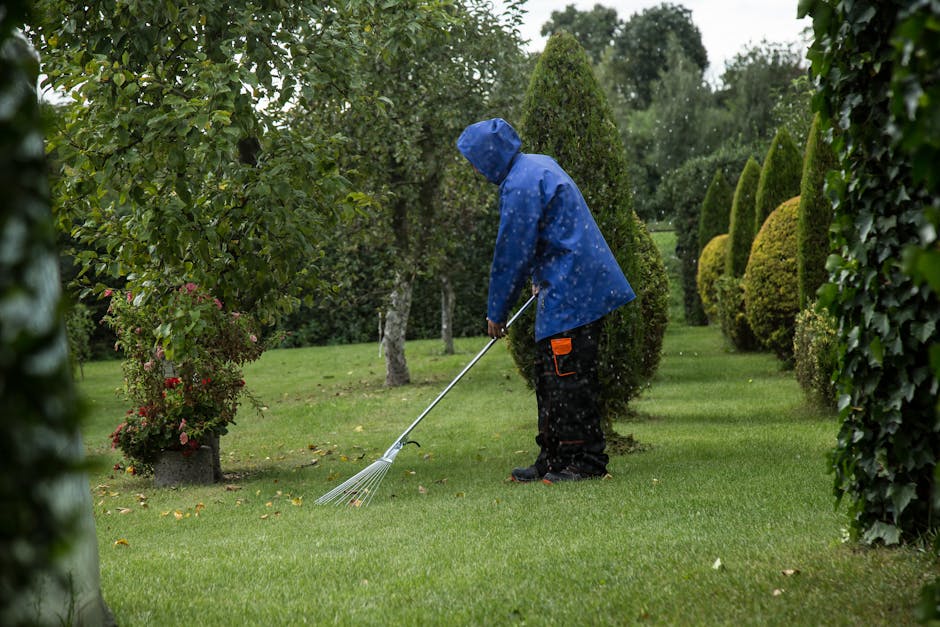
Forty Hall is one of those places where a garden can look calm from the path, yet need quite a bit of thoughtful work behind the scenes. That is especially true for estate gardens, shared outdoor spaces, and older landscape features that have to be kept tidy, safe, and attractive without losing their character. If you are looking into Forty Hall Enfield gardeners estate garden care and repairs, you are probably dealing with more than a quick mow-and-go. You may need ongoing maintenance, careful repairs, seasonal reset work, and a plan that makes the whole space feel looked after rather than just cut back.
In this guide, we'll cover what estate garden care actually involves, how repairs are handled in a sensible order, what to prioritise first, and the common mistakes that make bigger jobs more expensive later. You will also find a practical checklist, a comparison table, and a few real-world pointers that make decision-making a lot easier. Let's face it, when a garden has paths, hedges, beds, borders, trees, and maybe a few tired fixtures all asking for attention at once, it helps to have a clear way through it.
Why Forty Hall Enfield gardeners estate garden care and repairs Matters
Estate gardens are rarely simple. They often combine open lawn, mature planting, hard landscaping, boundary edges, shared access routes, and decorative features that have to work for everyday use as well as appearance. Around Forty Hall and wider Enfield, there is usually also a strong expectation that the grounds should feel well kept through every season, not just at peak summer. A patchy hedge or broken path does not stay small for long. Rain gets in, roots shift, weeds spread, and suddenly a minor eyesore becomes a proper maintenance job.
Good garden care is about more than neatness. It reduces trip hazards, protects planting, supports drainage, and helps older features last longer. Repairs matter for the same reason. A loose edging stone, leaning panel, worn timber step, or failing gate latch can affect both safety and the overall feel of the estate. To be fair, a garden does not need to look flawless. But it does need to feel cared for, and that comes from regular attention.
For estate settings, consistency is the real winner. One-off tidy-ups can help, of course, but the landscape usually benefits more from scheduled maintenance supported by responsive repair work. If you have ever walked past a border that looked fine in May and then unruly by late July, you already know how quickly things move. Seasonal shifts, foot traffic, and weather all leave their mark.
Expert summary: Estate garden care works best when maintenance and repairs are treated as one joined-up job. Keep the living elements healthy, keep the hard surfaces safe, and deal with small defects early. That is where the long-term savings tend to come from.
How Forty Hall Enfield gardeners estate garden care and repairs Works
In practical terms, this kind of service usually starts with a walk-through or site assessment. The aim is to understand what needs immediate attention, what can wait, and what should be included in a regular maintenance cycle. For a place like Forty Hall, that might involve lawns, hedging, seasonal planting, leaf clearance, edging, shrub shaping, border tidying, and the repair or replacement of worn garden features.
A well-run estate garden programme normally has three layers:
- Routine care such as mowing, pruning, weeding, and litter removal.
- Seasonal work such as leaf fall clearance, cut-back pruning, and bedding refreshes.
- Repairs and remedial work such as fixing damaged timber, resetting edging, patching turf, replacing failed plants, or making structures safe.
That layered approach matters because not every issue should be treated the same way. A lawn that is slightly uneven after a wet winter does not need the same response as a broken path slab near a main walkway. Good gardeners and grounds teams tend to separate cosmetic work from safety-related work. Small distinction, big deal.
Some jobs also need a practical order. For example, if overgrown shrubs are hiding a cracked border, it makes more sense to cut back first, inspect properly, and then repair. Likewise, if drainage is poor, replacing plants before the water issue is addressed can feel like throwing money into a wet corner. Not ideal.
Key Benefits and Practical Advantages
When estate garden care is handled properly, the benefits are obvious pretty quickly. The grounds look cleaner, access feels easier, and the whole place gives off a more settled, organised impression. But there are deeper advantages too.
- Safer circulation: Clear paths, firm edges, and well-kept surfaces reduce avoidable hazards.
- Better plant health: Regular trimming and weeding give shrubs, hedges, and lawns a better chance to thrive.
- Lower long-term cost: Early repairs usually cost less than major remedial work later on.
- Stronger appearance: A maintained estate simply looks more inviting, which matters for visitors and residents alike.
- Less disruption: Planned care is easier to manage than emergency callouts after things have already gone wrong.
There is also a less visible benefit: confidence. People notice when the garden feels under control. They may not say it out loud, but they do notice. A tidy estate can make a property feel more respected, and that tends to affect how people use the space. They are more likely to stay on paths, respect borders, and treat communal areas carefully when the environment feels cared for.
If repairs are needed alongside routine maintenance, it can be useful to compare service options before starting. Pages like the full services overview and garden maintenance support help show how ongoing care can be planned alongside specialist tasks.
Who This Is For and When It Makes Sense
This kind of service makes sense for anyone responsible for communal, heritage-style, or high-visibility outdoor spaces. That includes estate managers, landlords, property caretakers, facilities teams, housing groups, and private owners looking after a larger garden with multiple features. It also makes sense when a garden has become a bit too much for occasional DIY attention. Happens all the time.
You may need estate garden care and repairs if:
- hedges are getting too dense or uneven
- lawns are thinning, patchy, or difficult to mow cleanly
- borders are full of weeds or self-seeded growth
- paths, steps, edging, or timber features are showing wear
- tree growth is interfering with light, access, or nearby structures
- the site needs a consistent appearance through the year
- there is pressure to reduce safety risks in shared spaces
It also makes sense after a period of neglect, a spell of bad weather, or a change in site management. The first visit after a long gap can be a bit messy, truth be told, but that is exactly when a structured approach matters most. Sometimes the best move is to start with clearance and recovery work, then settle into maintenance once the site is back under control. In that case, garden clearance is often the sensible starting point.
Step-by-Step Guidance
If you are planning work on an estate or shared garden, the cleanest way forward is to break it into clear stages. That keeps the job manageable and avoids paying for the same area twice.
- Assess the whole site. Walk the space slowly. Look at lawns, hedging, planting, hard surfaces, drainage, trees, and any fixtures or structures.
- Separate urgent issues from cosmetic ones. Anything that affects safety or access comes first. Appearance can follow.
- Decide what can be maintained and what needs repair. A tired plant may need replacing; a loose border may need resetting; a damaged section of timber may need replacement rather than patching.
- Set the seasonal plan. Build around mowing, hedge trimming, leaf fall, pruning, and periodic tidying.
- Schedule the remedial work. This might include edging repairs, re-turfing, tree works, or landscape adjustments.
- Review after completion. Check what improved, what still looks weak, and what should be added to the next maintenance cycle.
The biggest mistake here is trying to do everything at once with no order. For example, mowing before clearing branches can damage equipment and make the finish rough. Or repairing a border before sorting the adjacent hedge can mean fresh damage in a week. A little sequencing saves a lot of irritation.
For recurring tasks, a regular schedule helps. Services such as lawn mowing, hedge trimming, and broader garden maintenance can be planned together so the estate looks coherent rather than piecemeal.
Expert Tips for Better Results
Here is where experience really pays off. You do not need complicated methods to get good results. You need consistency, judgement, and a decent eye for how gardens behave across a season.
1. Treat the edges as seriously as the centre. Border lines, path edges, fence lines, and bed fronts are what make a garden look finished. If those are messy, the whole estate reads as untidy even when the lawn looks fine.
2. Inspect after heavy rain. Wet weather reveals soft patches, drainage problems, slipping hazards, and hidden damage. A dry-day check is useful, but a wet-day check often tells you more.
3. Don't overcut. With lawns and hedges, too much cutting in one go can stress the plant or leave thin, brown, unhappy-looking sections. A gentler approach usually wins.
4. Keep an eye on tree canopy and shade patterns. Trees are part of the charm, especially in older landscaped settings, but they can also block light, drop debris, and affect nearby planting. If there is structural risk or overextended growth, tree lopping and removal may need to be considered carefully and professionally.
5. Use repairs to improve future maintenance, not just restore the old state. If a path edge keeps breaking because of traffic flow, repair alone may not solve it. Sometimes a small layout adjustment is smarter.
And one more thing: if a site has been neglected for a while, do not judge it on the first tidy-up. Gardens often need one round to clear, one round to correct, and then the third and fourth visits are where the real shape returns. Bit by bit, it comes back.
Common Mistakes to Avoid
Estate garden care sounds straightforward until the small mistakes start stacking up. Most of them are avoidable.
- Leaving repairs until the end of the season. A tiny defect can become a bigger one after frost, rain, or repeated use.
- Using a one-size-fits-all routine. Different parts of the site may need different timings and methods.
- Ignoring drainage and soil conditions. Planting into compacted, waterlogged, or dry soil can make the work look good briefly and fail later.
- Cutting hedges or shrubs too aggressively. This can leave weak growth and an uneven recovery.
- Not documenting recurring problems. If the same area keeps failing, there is usually a root cause worth investigating.
- Mixing aesthetic and safety priorities. A beautiful garden with a dangerous path is still a problem.
A surprisingly common issue is cosmetic obsession. Someone wants the visible beds perfect, but the real issue is hidden under the surface: a rotting sleeper, a sinking slab, or a blocked channel. The eye goes to the flowers. The problem is underneath the flowers. Annoying, but very common.
Tools, Resources and Recommendations
The right tools make a big difference, especially on larger grounds. You do not need every gadget under the sun, but a reliable kit keeps the work tidy and efficient.
| Task | Best-fit approach | Why it helps |
|---|---|---|
| Lawn care | Well-maintained mower, edge trimmer, scarifying where needed | Creates a cleaner finish and supports healthier grass |
| Hedge and shrub work | Hand tools or powered trimmers used with restraint | Helps shape growth without mangling the plant |
| Clearance | Rakes, bags, cutters, and safe loading methods | Removes waste efficiently and reduces mess spreading |
| Repairs | Appropriate fixings, replacement timber, edging materials, and careful preparation | Gives longer-lasting results than rushed patching |
| Tree-related issues | Specialist assessment and controlled work | Reduces risk and avoids damaging nearby features |
For many properties, it helps to combine upkeep with planned improvement work. If the space needs a fresh layout, more usable planting structure, or better surfaces, landscape gardening and landscaping can reshape the garden in a way that makes future maintenance easier, not harder.
If you are trying to understand cost, timing, or what is likely included, it is worth checking pricing and quotes guidance. That usually helps set expectations before anyone starts work, which is just common sense really.
Law, Compliance, Standards, or Best Practice
With estate garden care, compliance is less about paperwork for its own sake and more about doing things safely, responsibly, and with proper care. In UK settings, that usually means making sensible decisions around risk, waste handling, access, and contractor competence. If the work involves public access, shared routes, trees, or slippery surfaces, extra caution is needed. No drama, just care.
Best practice usually includes:
- clear identification of hazards before work starts
- safe use of equipment and appropriate protective gear
- keeping access routes as clear as practical during work
- disposing of green waste responsibly
- checking whether tree work needs specialist attention
- using insured, properly managed contractors for higher-risk tasks
It is also sensible to understand the provider's approach to safety and responsibility. Pages such as insurance and safety, health and safety policy, and recycling and sustainability can help show how work is managed with care, not just speed.
Where trees are involved, or where a repair could affect a shared boundary or structure, it is sensible to ask for a clear explanation of what will be done and why. Good practice is usually transparent. If something sounds vague, ask again. Better to ask the awkward question now than sort out a preventable issue later.
Options, Methods, or Comparison Table
Not every estate garden issue needs the same type of response. Sometimes a maintenance-only approach is enough. Sometimes the site needs a mixed plan. And sometimes the best option is a short recovery phase followed by a steady routine.
| Approach | Best for | Pros | Limits |
|---|---|---|---|
| Routine maintenance only | Sites already in decent condition | Predictable, tidy, cost-effective | May not solve existing damage or layout problems |
| Maintenance plus repairs | Gardens with wear, defects, or ageing features | Improves appearance and safety together | Needs better planning and prioritisation |
| Clearance then maintenance | Overgrown or neglected areas | Creates a clean starting point | May take more upfront effort |
| Landscape improvement with upkeep | Spaces needing a more usable layout | Can reduce future maintenance burden | Usually requires more thought before work begins |
In many cases, a mixed approach is the sweet spot. You restore the space, fix the obvious damage, then settle into maintenance so the same problems do not come back straight away. That is especially useful around older or busy communal gardens. If there is a lot of debris, broken planting, or heavy overgrowth, starting with garden clearance before anything else often makes the next steps much easier.
Case Study or Real-World Example
Imagine an estate garden near Forty Hall with a broad lawn, clipped hedging, a few mature shrubs, and a paved access route used daily. Over time, the lawn becomes patchy near the edges, one hedge line grows uneven, leaf litter builds up in corners, and a short section of timber edging starts to soften and split. Nothing is catastrophic, which is exactly why it is easy to ignore.
The first visit focuses on a full tidy-up: the lawn is cut, borders are cleared, hedges are shaped lightly, and waste is removed. Then the repair items are dealt with in order. The failing edging is replaced, the path edge is checked for movement, and any planting gaps are filled with suitable low-maintenance material. After that, the site moves onto a regular cycle: mowing, trimming, seasonal clearance, and occasional spot repairs.
What changes? The garden stops feeling like a series of separate problems and starts feeling like one managed space again. People walk through it more confidently. It smells fresher after rain, looks brighter in daylight, and the whole place feels calmer. Nothing fancy. Just well judged work, done in the right order.
Practical Checklist
Use this checklist if you are planning or reviewing estate garden care and repairs around Forty Hall or a similar Enfield property.
- Walk the full site and note visible damage, overgrowth, and access issues.
- Separate urgent safety work from routine maintenance.
- Check lawns, hedges, shrubs, borders, paths, and trees individually.
- Clear debris before trimming, mowing, or repairing.
- Look for signs of drainage trouble, soft ground, or repeated wear.
- Decide whether the site needs clearance, maintenance, repair, or a combination.
- Confirm waste handling and recycling expectations before work begins.
- Set a realistic seasonal schedule rather than a one-off quick fix.
- Review the site after work and note anything that needs follow-up.
- Keep a simple record of recurring issues. Small note, big help.
Practical takeaway: If you only remember one thing, remember this: treat the garden as a living system plus a built environment. The plants grow, the surfaces wear, the weather moves things around. Good care watches all of it.
If you want to explore service scope before committing, services overview is a useful place to compare the main options in one view.
Conclusion
Forty Hall Enfield gardeners estate garden care and repairs is really about keeping a garden both beautiful and workable. The best results come from steady maintenance, timely repairs, and a sensible order of operations. Clear the site properly, fix the real problems, and then keep on top of the seasonal tasks before they pile up. That approach protects appearance, reduces risk, and makes the whole place feel more settled.
Whether you are managing a shared estate garden, a heritage-style setting, or a larger private landscape, the goal is the same: a space that looks cared for and stays that way. Not perfect. Just properly looked after. And honestly, that is what people usually want most.
If you are ready to get the work moving, speak with a local team that understands both routine upkeep and practical repair priorities. A good first conversation can save a lot of guesswork later.
Get a free quote today and see how much you can save.
Frequently Asked Questions
What does estate garden care include?
It usually includes mowing, hedge trimming, border tidying, weed control, leaf clearance, pruning, waste removal, and small repairs to keep the space safe and presentable.
How is garden repair different from regular maintenance?
Maintenance keeps things in good condition through recurring tasks. Repairs deal with worn, damaged, or failing features such as edging, timber, paving, gates, or broken planting structures.
Do I need both clearance and maintenance?
Often, yes. If the garden is overgrown or cluttered, clearance creates the starting point. Maintenance then keeps the space under control afterwards.
How often should an estate garden be maintained?
That depends on the size of the site, the season, and how heavily it is used. Busy shared spaces usually need regular visits rather than occasional big clean-ups.
Can repairs be done at the same time as mowing and hedge trimming?
Sometimes they can, but it depends on the type of repair. Surface fixes may need the area cleared first, while lighter remedial work can be planned alongside routine maintenance.
What are the most common problems in older estate gardens?
The usual issues are uneven growth, overgrown hedges, compacted lawns, worn edging, poor drainage, and damaged paths or timber features.
Is tree work part of garden care?
It can be. If trees are affecting light, safety, or nearby structures, specialist tree lopping or removal may be needed as part of the wider garden plan.
How do I know whether a garden issue is cosmetic or urgent?
If it affects footing, access, stability, or safety, treat it as urgent. If it mainly affects appearance, it can usually be scheduled into planned maintenance.
What should I ask before booking work?
Ask what is included, what is excluded, how waste will be handled, whether repairs are temporary or permanent, and how the work will be prioritised.
How can I make future maintenance easier?
Choose sensible planting, keep edges clear, address drainage issues early, and avoid layouts that create awkward access or constant manual correction.
Are recycling and green waste handling important?
Yes. Responsible removal and recycling help keep the site tidy and reduce unnecessary waste. It is also a sign of a well-managed service.
Where can I compare service options?
You can start with the services overview and then review specific pages such as garden maintenance or landscaping depending on the kind of work you need.